
Unpaid Invoices: Practical Steps to Help You Recover What’s Owed
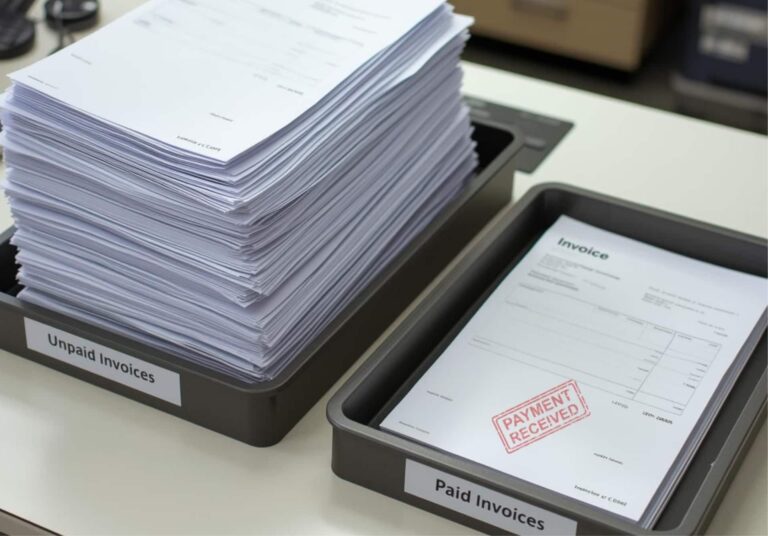
Running a small business is no small feat, and when a client or customer doesn’t pay an invoice, it can be incredibly frustrating and stressful. Whether it’s a misunderstanding, a cash flow issue, a dispute over the goods or services provided, or the other business is simply unable or unwilling to pay, unpaid invoices are a common challenge for small businesses.
Who can make them pay what is owed?
Only a court or tribunal can make binding decisions or orders in debt disputes. No government department, agency, or commissioner can force someone to pay an outstanding invoice.
The only exception is in cases related to the building and construction industry. For construction-related payment disputes, you can find more information here: Commercial payment dispute | Queensland Building and Construction Commission (qbcc.qld.gov.au).
While there’s no guaranteed way to recover an unpaid invoice, there are steps you can take to improve your chances. The key is to approach the situation systematically and with a clear plan, and certainty about what different agencies can and can’t do on your behalf. Here’s what you need to know.
Start with Reflection
Before taking any action, take a moment to reflect on the situation.
You can use this checklist to help you identify the key issues and understand your position.
Whilst you have your mind on what caused this situation, think about ways to prevent future issues:
- Should you have merchant facilities (if you don’t already) such as mobile EFTPOS or credit card devices to make it easier to get paid as goods or services are delivered?
- Could you set up a different email address for billing and payment (an accounts email) that is separate from your sales/enquiry emails making it easier to identify late payments?
- If you are relying on verbal or informal agreements, would moving to written contracts enhance your business operations and professional image, making other businesses less likely to see you as a soft target? Will investing in creating written contracts save you time and stress in the long run?
- When you take new jobs do you get the details you need from the organisation/person who will pay you? Do you do any research online about them? This is a very common oversight for small businesses doing work from social media ads. Being contracted through social media channels can make it difficult to locate the people you did the work for and is a common scenario where a small business is left out of pocket after completing work.
Review the Contract and Your Current Arrangements
If you have a written agreement with the debtor (the business or person that owes you money), review it carefully. Entering a contract might not mean someone signed a physical document, it’s possible the terms and conditions were accepted by clicking a box at some stage in the process. You may need to go back to find those online terms and conditions. Look for any terms related to payment, dispute resolution, or penalties for late payment. Understanding your rights and responsibilities under the contract (or the terms and conditions) is an essential first step in resolving the issue.
If you replied to an ad on social media and needed an ABN to get paid you may need to review any screenshots of the ad or messages between you and the other company. These could be evidence you rely on at tribunal.
Take Action: Steps to Recover the Debt
1. Send a Friendly Reminder
Reach out to the debtor via email or phone to politely remind them about the outstanding payment. Be clear about the amount owed, the due date, and any late fees that may apply. Business Victoria has a number of handy templates that can help you send:
- a friendly reminder email
- an overdue payment second reminder email
- a final notice email.
Visit Business Victoria to use their templates.
2. Send a Letter of Demand
If the reminder doesn’t work, consider sending a formal letter of demand.
You can send this letter from your business, however it can send a stronger message if sent from your solicitor or debt collection agent. You can find further information and a Letter of Demand template here.
3. Consider Mediation To Save Time, Energy and Money
If you can settle the case without starting proceedings you will save yourself a lot of time, energy and possibly money.
Before you apply to QCAT, talk to the other person or business involved in the dispute to try to solve the problem. If the two of you need help to work out an agreement, there is a free mediation service provided by the Department of Justice’s Dispute Resolution Branch for issues involving ongoing relationships. Visit the Dispute Resolution Centres search page or apply online here.
If you prefer private mediation or there will be no ongoing relationship, you can search the Australian Small Business and Family Enterprise Ombudsman (ASBFEO) mediator panel for a commercial mediator in Queensland. Each individual mediator will be able to provide a quote for their services.
4. Engage a Debt Collection Agency or Debtor Finance
If your attempts to recover the debt are unsuccessful, you may consider hiring a debt collection agency. These agencies specialise in recovering unpaid debts and may be able to achieve results (for a fee) where other methods have failed.
Debtor finance involves a financial institution purchasing your debts, taking a fee and providing you with the cash amount, then collecting the debt on your behalf.
While these methods will deliver cash and buy you time to focus on other aspects of your business, they will reduce your profit margins. Find out more on managing debtors.
5. Take Legal Action
If all else fails, legal action may be your last resort. You can apply to the Queensland Civil and Administrative Tribunal (QCAT) for a minor debt dispute (up to $25,000) or pursue the matter through the courts.
If you decide to pursue legal action, QCAT may be an option for minor debt disputes. The fees (as at December 2025) for filing a claim depend on the amount in dispute:
- $93.15 for debts not exceeding $1,000.
- $158.90 for debts between $1,000 and $10,000.
- $392.40 for debts between $10,000 and $25,000.
See QCAT’s latest fee schedule here.
Keep in mind that QCAT publishes average timeframes for resolving minor civil disputes. These fluctuate and it is approximately 51 weeks for a minor civil dispute (December 2025), depending on the location.
For more information, refer to the Does someone owe you money page from Legal Aid Queensland, which provides a step-by-step guide to the QCAT process.
QCAT publishes self-representation resources here.
Weighing Up the Costs
Before you decide how to proceed, it’s important to weigh up the potential costs and benefits of each option.
For example:
- How much time and money will it take to recover the debt?
- What is the likelihood of recovering the full amount owed?
- Will pursuing the debt damage your business relationships or reputation?
Sometimes, the most practical solution is to negotiate a settlement, even if it means accepting less than the full amount owed. This can save you time, money, and stress, allowing you to focus on running your business.
Recovering an unpaid invoice can be a challenging process, but having a systematic approach can make all the difference. While no government agency or commissioner can force someone to pay, taking proactive steps like negotiation, mediation, or legal action can help you work towards a resolution.
Remember, the QSBC is here to provide guidance and connect you with resources that can help. If you’re facing an unpaid invoice dispute, don’t hesitate to reach out to our Assistance team for support.
To discuss your situation, and get connected with people that can help, reach out to our Assistance team.
Small Business Case Studies

Unpaid Invoices: Practical Steps to Help You Recover What’s Owed
Running a small business is no small feat, and when a client or customer doesn’t pay an invoice, it can be incredibly frustrating and stressful. Whether it’s a misunderstanding, a cash flow issue, a dispute over the goods or services provided, or the other business is simply unable or unwilling to pay, unpaid invoices are a common challenge for small businesses.

Meta shutdowns: The Risks of Relying on One Platform
Have you heard about small businesses having their Facebook and Instagram accounts instantly shut down, in some cases severely impacting their business? Here’s a look into what can happen and how you can help to protect your business from the impact of something similar.

What is a Retail Shop Lease in Queensland?
Understanding the term retail shop lease and whether it applies to your lease can be crucial (and complex). A lease won’t explicitly state that it is a retail shop lease.