
Ending a Lease Early – What’s in it for either party?

Blog Ending a Lease Early

There may come a time when a commercial or retail tenant or landlord wants to end their lease before the agreed end date. Whether due to unexpected business changes, financial pressure, a redevelopment, the sale of the business or premises, a change of mind or other personal reasons, it’s important to understand your options – and your obligations – before making any decisions.

A lease is a binding legal contract. It is extremely rare that either party is automatically entitled to break or alter its terms just because their personal or business situation changes. On the contrary, regardless of which party wants to end the lease early, there are likely terms in the lease that allow for damages and costs to be claimed. Insurance is often there to help cover risks like illness, storm damage to a building, or other events that disrupt business but doesn’t ordinarily cover a change of mind or a change in turnover caused by outside factors like a downturn in the economy.

Our Ending a Lease Early fact sheet outlines the three main legal options for early lease exit:

  • Surrender of lease – both parties agree to end the lease early; or
  • Assignment of lease – the tenant finds another party to take over the lease, with landlord consent.
  • Termination of lease – one or more conditions in the lease are breached and the lease is terminated by notice or automatically as provided for in the lease agreement.

Each pathway involves different legal and financial considerations, and it’s important to understand what’s involved before you approach your landlord or make any commitments.

Surrender of Lease

This article focuses on negotiating a mutual surrender of a lease. While tenants and landlords don’t usually have an automatic right to end a lease early, they can agree to do so if it benefits both parties.

A surrender of lease is when the tenant and landlord mutually agree to end the lease before its original end date, even though this wasn’t part of the initial agreement. This often happens when both sides realise it’s better to minimise losses and work together on a solution.

For example, in 2024, a food business in a shopping centre faced declining foot traffic. This could have been due to factors like rising living costs, vacant shops, and changing consumer habits. The tenant had no guarantees for a certain level of foot traffic or occupancy of the shopping centre in the lease. Unbeknownst to the tenant, the landlord wanted to end the lease early to start major renovations and realised the Retail Shop Leases Act (1994) section 43 afforded the tenants compensation if their customers access was substantially altered by the works. By discussing the possibilities both parties agreed to a surrender: the tenant left without needing to restore the premises, and the landlord avoided paying relocation or demolition compensation.

Mutual surrender can be an attractive option but if one party is the only one losing out by changing the agreement (for example the landlord getting no compensation for the lease ending early and suffering a loss of income while they look for a replacement tenant) then it is highly unlikely they would agree to end the legally binding agreement in place. In negotiation there must be something in it for BOTH parties for an outcome to be reached. If both parties are open to negotiation, you may be able to agree on an exit date and terms for any compensation. The important thing to remember is that negotiated changes to an existing agreement are just that – negotiated, not automatic.

What to consider:
  • Why would the other party agree to change a legally binding agreement that is already in place – what is in it for them?
  • Is what is fair to you the same as what is fair to them – does what is fair now matter if you signed a legally binding contract?
  • Get legal advice to help you negotiate and formalise any early exit arrangements.
  • Review your lease carefully.
  • Always get the surrender agreement in writing.
  • You may need to pay certain costs – including rent up to the agreed end date, outgoings, and any damages for early termination.
  • The lease will usually come to a complete end, with no further obligations from either party once the agreement is signed and terms are met.

Additional Considerations

  • Make Good Obligations: At the end of a lease, tenants are often required to return the premises to its original condition. For more details, refer to the Make Good fact sheet.
  • Lease Bonds and Guarantees: Many leases require a security deposit or bank guarantee. Learn more from the Commercial Lease Bond fact sheet.
  • Outgoings: These are additional costs such as utilities, maintenance, and council rates. The Outgoings fact sheet provides more detail.
  • Lease in Good Standing: Landlords will generally not agree to a lease assignment or surrender unless the lease is in good standing – with no arrears, outstanding outgoings, or unfulfilled maintenance requirements (e.g., air conditioning servicing).
  • Breach Notices: If you fail to meet your lease obligations, the landlord may issue a breach notice. See the Breach Notices fact sheet for guidance.
  • In the Property Law Act 2023 there are provisions (such as section 156) explaining a landlord may exercise their right to re-enter the premises according to the lease if they reasonably believe the tenant has given up possession (potentially including for example abandoning the premises or handing the keys back).

It can be helpful to compare the estimated cost of seeing out the lease term (including rent and outgoings) with the cost of negotiating an early termination. Even if you choose to “pay out” the remaining rent and outgoings, this may still be more expensive than negotiating an early exit or finding a replacement tenant.

  • Reach out to Small Business Financial Counsellors and/or Business Wellness Coaches for additional support.
  • Consider engaging your accountant or business adviser.

Landlords may be open to a commercial compromise, especially if you respectively approach them with a clear plan, and an understanding of what benefit they may achieve in altering the existing agreement.

What If Negotiations Get Stuck?

If you’ve tried to reach an agreement with your landlord and negotiations have stalled, you can apply for mediation through the Office of the Queensland Small Business Commissioner.

Mediation is a low-cost, confidential process to help landlords and tenants resolve disputes without going to court. A trained mediator facilitates the discussion and helps both parties explore practical solutions.

Learn more or apply for mediation.

Terminating a Lease under the Retail Shop Leases Act or Provisions of the Lease

There may be options to terminate a lease, if the lease allows this, if certain conditions are met. You should seek legal advice about your options in your specific circumstances because leases typically are bespoke and case law or principles at law may also apply.

The Retail Shop Leases Act 1994 (the Act) includes specific sections that may allow a retail shop tenant to terminate the lease early. For instance, if the lessor has failed to comply with disclosure obligations (see section 21F of the Act) the tenant may terminate a retail shop lease by giving a signed written notice to the lessor within 6 months after the tenant has entered the lease. Subsection 21F(5) states the lessor is liable to pay the tenant reasonable compensation decided by way of the dispute resolution process. That process starts with mediation at the QSBC.

You can contact the Office of the Queensland Small Business Commissioner for information and support.

To discuss your situation, and get connected with people that can help, reach out to our Assistance team.

Small Business Case Studies

Blog – Unpaid Invoices
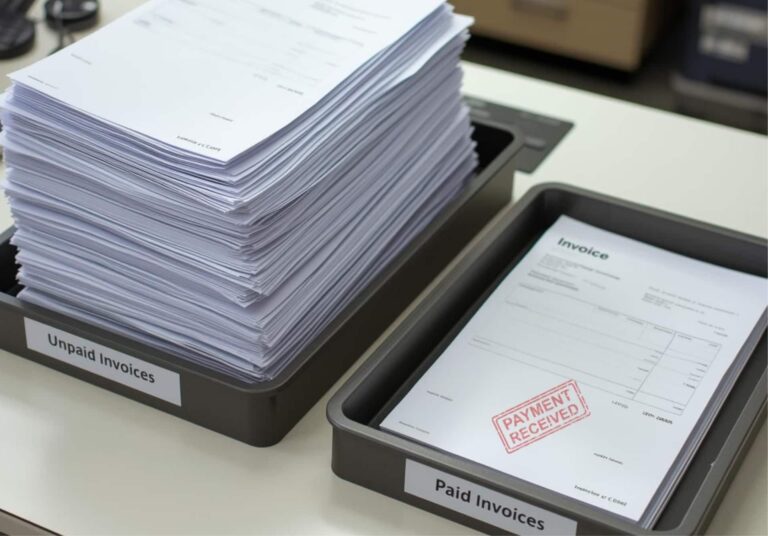
Unpaid Invoices: Practical Steps to Help You Recover What’s Owed

Running a small business is no small feat, and when a client or customer doesn’t pay an invoice, it can be incredibly frustrating and stressful. Whether it’s a misunderstanding, a cash flow issue, a dispute over the goods or services provided, or the other business is simply unable or unwilling to pay, unpaid invoices are a common challenge for small businesses.

Read More »
Meta Shutdown Blog
Meta shutdowns: The Risks of Relying on One Platform

Have you heard about small businesses having their Facebook and Instagram accounts instantly shut down, in some cases severely impacting their business? Here’s a look into what can happen and how you can help to protect your business from the impact of something similar.

Read More »

Check out our Fact Sheets

Unsure about your next steps?